The view of Jerusalem is the history of the world; it is more; it is the history of heaven and earth.
Benjamin Disraeli, Tancred

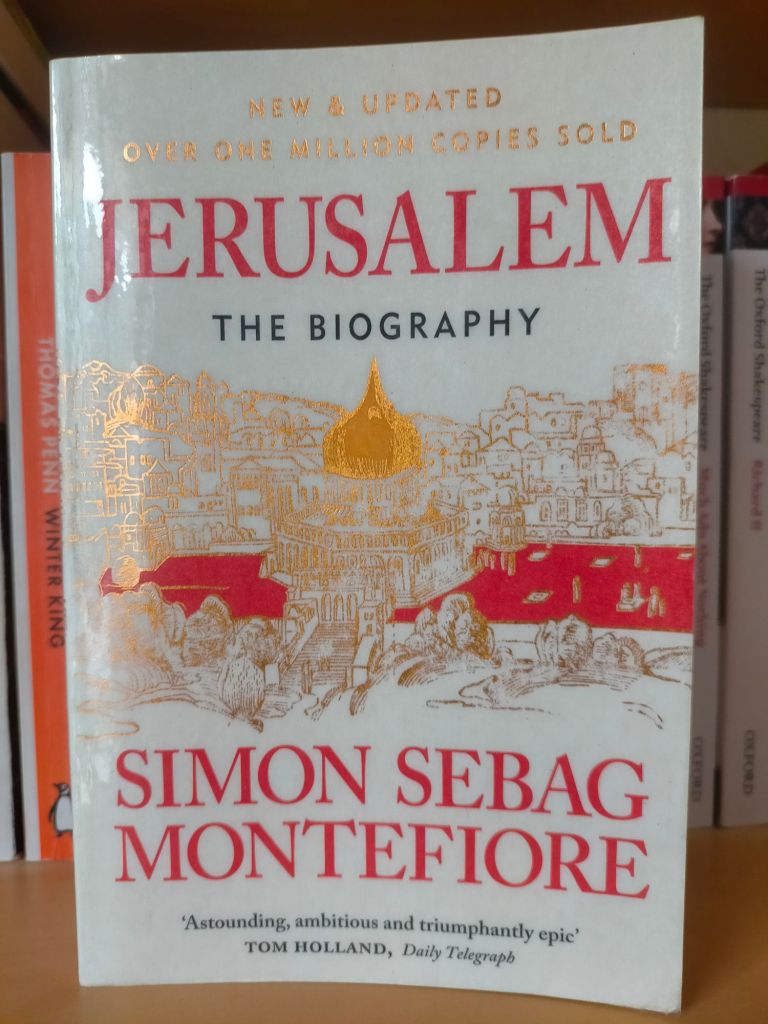
“Astoundingly ambitious and wonderfully engrossing” are the first words that come to mind when describing Simon Sebag Montefiore’s biblical masterpiece – Jerusalem – The Biography. The book covers the entire history of the Holy City of Jerusalem – from its founding by King David in the Bible, all the way to the 21st century. Into it Montefiore pours the stories, wars and affairs of kings, empresses, prophets, poets, saints, conquerers and whores who created, ruled, wrote, destroyed and believed in the Holy City. No small task then, given this is one of the most studied and sacred cities of the world…
Condensing 3,000 years of history into 650 pages would be overwhelming for any author, but Montefiore has done an excellent job in condensing the main events, characters and stories of each time period. The book is primarily a chronological narrative history, examining the stories and lives of men, women, and families throughout. It is divided into nine main parts (see below) covering the main dynasties, religions and rulers of the time, with each chapter containing smaller sections covering people and events. Whilst each period is given their share of chapters in the book, there is a substantial emphasis on the 19th and 20th centuries – presumtively as more sources and details are available and events become more complex after the onset of the Industrial Revolution. The original 2011 hardback edition ended with the Six Day War and its aftermath, but the updated 2020 paperback edition takes the story into the present day, highlighting the continued political strife of the Arab-Israeli Conflict and the cultural, religious and political significance of Jerusalem today.
- Judaism
- Paganism
- Christianity
- Islam
- Crusade
- Mamluk
- Ottoman
- Empire
- Zionism
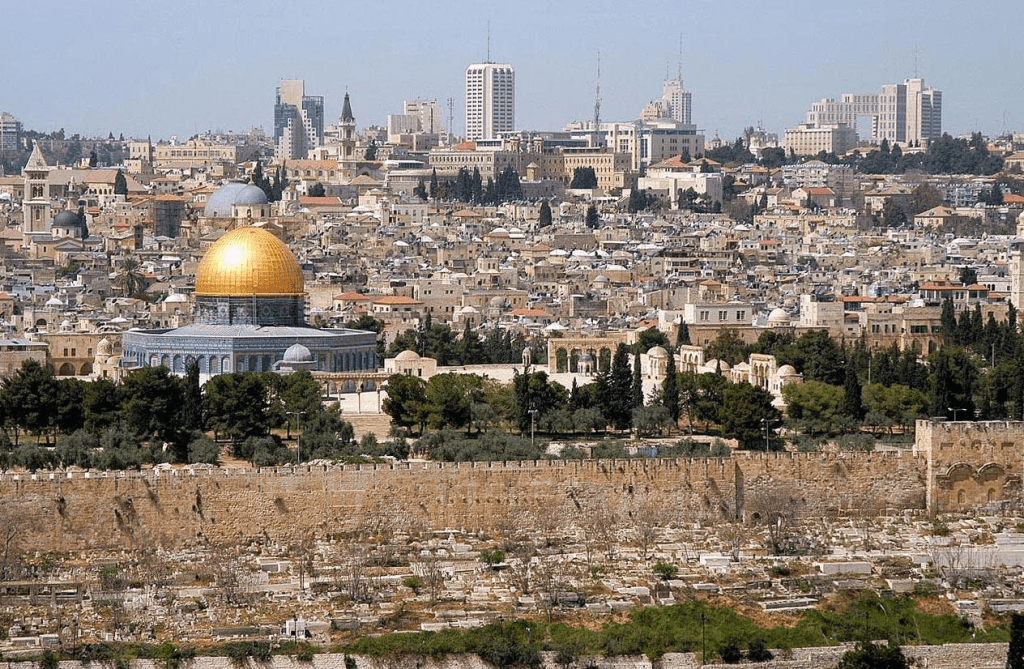
The author notes – “I dearly wish to bring much forgotten history to new readers” – which is something I enjoyed immensely. There is something for every reader here who enjoys history or politics, and some sections will be more familiar to some than others. Personally, I throughly enjoyed the sections on Constantine the Great and the birth of Christianity in Rome; the Umayyad Caliphate and the creation of the Dome of the Rock by Abd Al Malik; and the opulence of the Ottoman Empire under Suleiman the Magnificient. Religion is also of crucial importance throughout, and a major recurring theme is the three Abrahamic faiths of Judaism, Islam, and Christanity, and the cultural and religious significance of the city to worshippers to all.
A major strength of the book is Montefiore’s simple and clear writing style, which can be picked up by any general reader. This makes the book more accessible to the wider public than the typical academic books of this nature, which tend to focus more on scholarly analysis and effect. The chapters are paced well consisting of short sections and should be a breeze for most readers. A challenge however is keeping up with the extroadinary number of historical characters and events throughout, although an index does assist with this. Some sections may be easier to get through than others, but there is always something interesting on the next page or chapter. The footnotes are also extensive and provide greater detail of the fates and events of characters.
Beautifully written and endlessly engrossing, Jerusalem – The Biography is a masterful account of the Holy City in all its glory, and is one of the great non-fiction history books of our time.
Rating: 9/10
Publisher: Weidenfeld & Nicolson UK, 2020
Jerusalem
 Andrew Reviews
Leave a comment