Australia’s Prime Minsters
It’s fair to say that Australians today have never been more dismissive or held in contempt our politicians, often describing them as selfish, vain and arrogant both online and in the media. Yet without them we wouldn’t have the Australian Government and in particular, our Prime Ministers have placed a crucial role in our nation’s political history since federation in 1901.
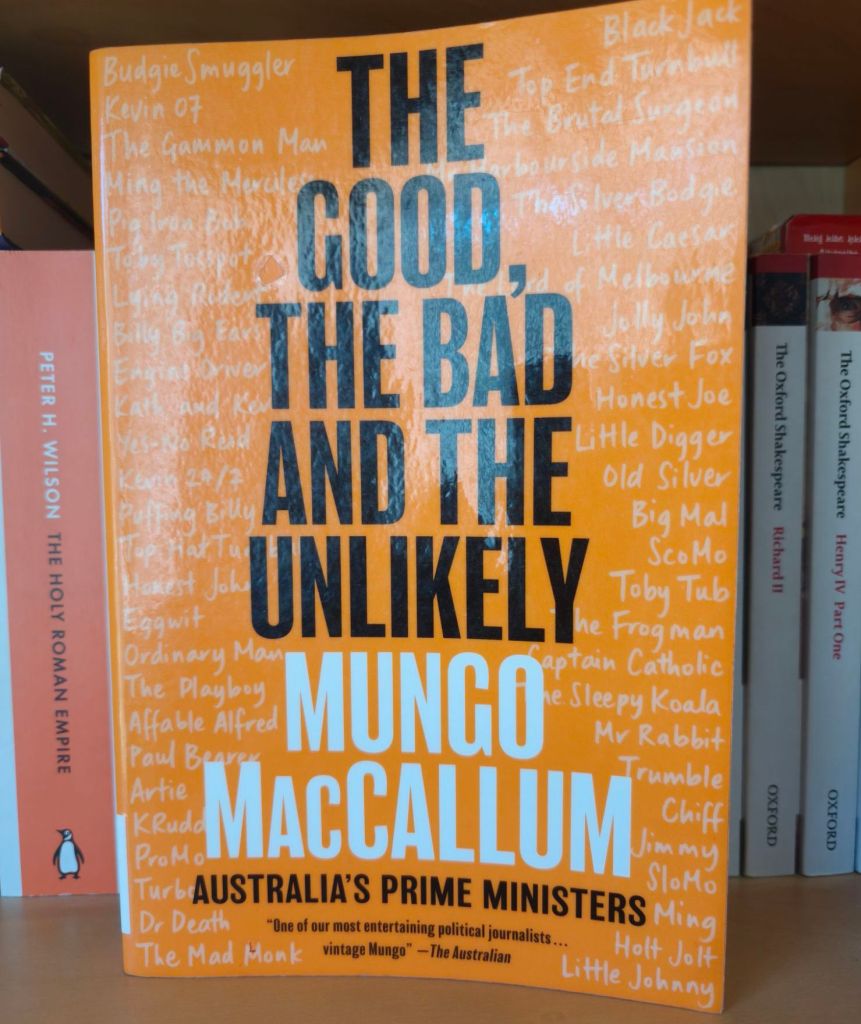
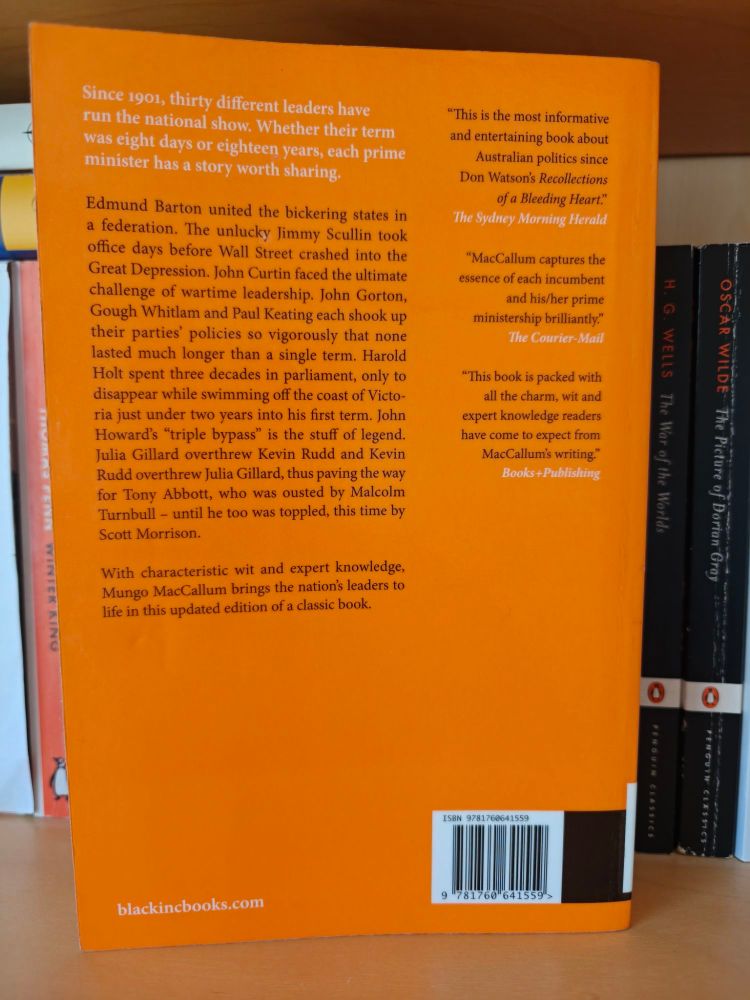
The Good, the Bad and the Unlikely is a hugely entertaining and enjoyable book about Australia’s Prime Ministers – all 30 of them (at time of publication) – and is written with brilliant humour by political journalist and commentator Mungo MacCallum (who sadly passed in 2020). Each prime minister is given a brief biography, outlining their personal and political careers – and most importantly, any notable or significant achievements whilst in office as PM.
What follows is my brief assessment of our most notable PMs – and their achievements or stories whilst in office.

The first – Edmund Barton (1901-03)
One of Australia’s founding fathers, Barton was a key supporter and advocate of Federation in 1901, whilst also being an excellent mediator and negotiator. He served as Australia’s first prime minister in 1901 until 1903, when he resigned due to ill health. Later that year he became a founding Justice on the High Court of Australia until his death in 1920. His government established the White Australia policy, the Australian Defence Force, the Commonwealth Public Service, and legislated women’s suffrage.

The giant – Robert Menzies (1939-41; 1949-66)
It’s fair to say Robert Menzies was (and remains) a giant of Australian politics. Not only was he 6’2” (188 cm), he is also Australia’s longest serving prime minster, at over 18 years with two terms in office. Much of conservative Australia has lauded him for his traditional values, being the founder of the Liberal Party in 1944, whilst also guiding Australia post WWII with several core values – White Australia, the welfare state, the industrial arbitration system, and the ties with Great Britain. Whilst the Menzies were overall relaxed and comfortable – Australians became wealthy and prosperous under his government in the 1950s and 60s – they unfortunately cannot be considered those of innovation and reform. Incredibly, the Liberal/National coalition government under his leadership endured for 23 years – from 1949 to 1972 – until Whitlam’s Labor came into office with their campaign “It’s Time“.
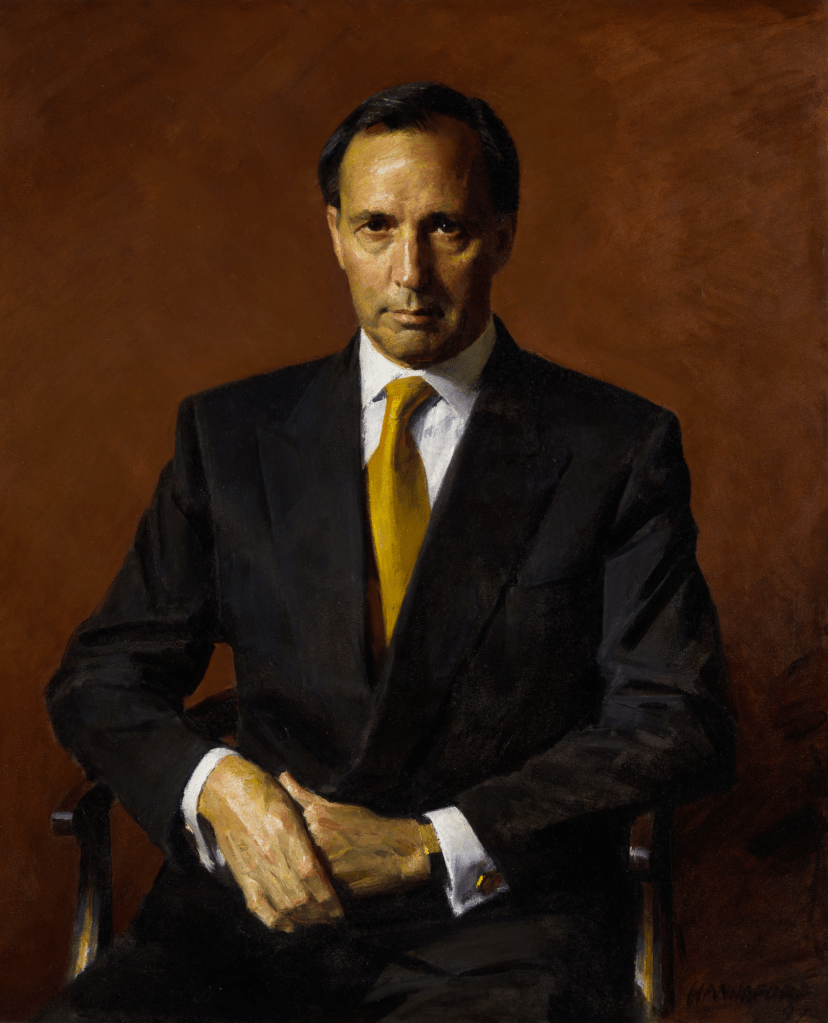
The genius – Paul Keating (1991-96)
The Hawke-Keating Govenment from 1983 to 1996 is rightly lauded by many Australians as one of substantital economic reform and achievement, ushering the nation into the globalised world of the 21st century. A key leader of this was Paul Keating, who was Treasurer for eight years and Prime Minister for five. Not only was he an outstanding orator and debator in Parliament, he was also an economic genius of high proportions. Key economic achievements include the floating of the Australian dollar; the deregulation of the financial markets; removal of foreign tariffs; privatisation of government businesses (Qantas, Telstra, Commonwealth Bank); tax and welfare reform; introduction of superannuation, economic ties with Asia and the creation of APEC…the list goes on. Their core legacy is almost 30 years of consistent economic growth (from 1991 to 2020) in Australia.
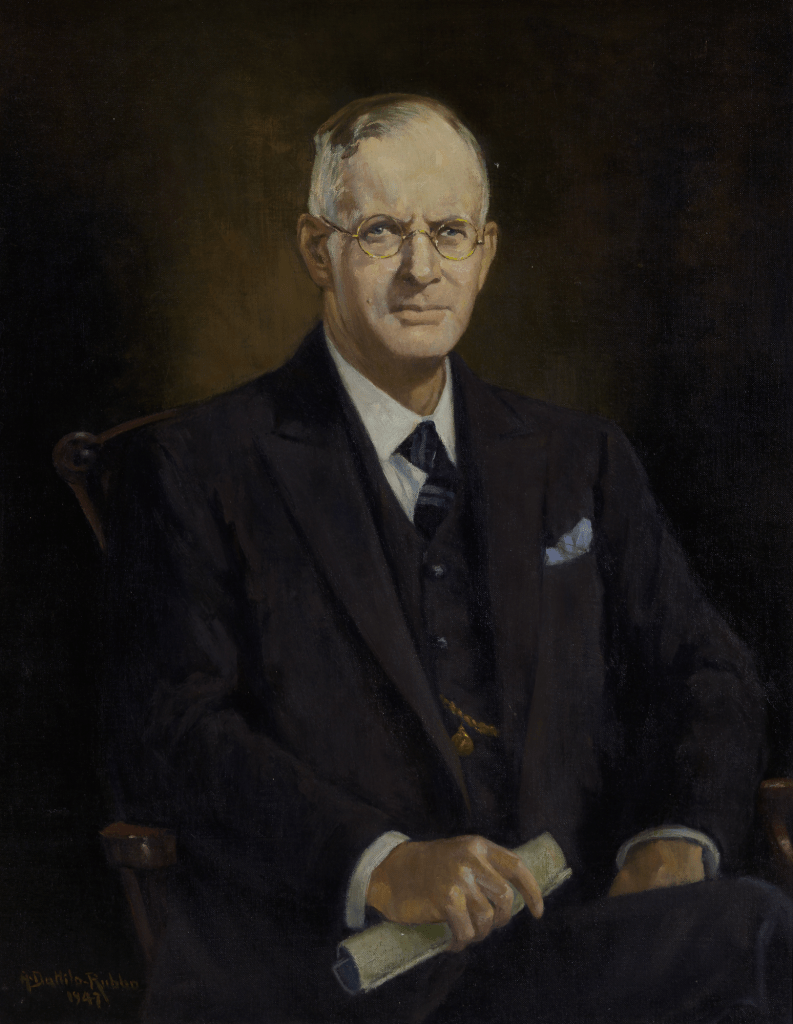
The best – John Curtin (1941-45)
Australia’s wartime Prime Minister is consistently rated as one of our greatest by scholars and the public, leading our nation through some of the darkest days of our history. The threat of invasion from Japan in the Pacific War was an imminent and looming threat in 1942, and his government rightly looked towards establishing closer military and defence ties with the United States, liasing with General Douglas MacArthur, Superme Commander of the South West Pacific Area. During the war the government also setup numerous social reforms, such as widows’ pensions, maternity allowances, and funeral, unemployment and sickness benefits, whilst trying to achieve full employment in the economy. Sadly, like Roosevelt, the war had a significant toll on his health, and he died on 5 July 1945 whilst in office, only six weeks before the end of the war.
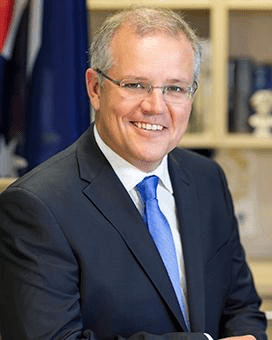
The worst – Scott Morrison (2018-22)
The Coalition government from 2013-22 was one of marginal diminishing returns, rocked by instability and viciousness. Its most capable and talented ministers were already gone (or on the way out) when Scott Morrison took over as Liberal Party leader and Prime Minister in 2018, after a leadership spill deposed their last leader. Let us assess his list of failures as a minister and PM whilst in office… the Black Summer bushfires; the Covid-19 vaccine rollout; the response to sexual harrasment allegations in Parliament House and his women problem; the Robodebt saga; the climate wars; the secret ministry portfolios scandal; the worsening relations with China; high inflation and interest rates and poor wages growth…ill leave it there.
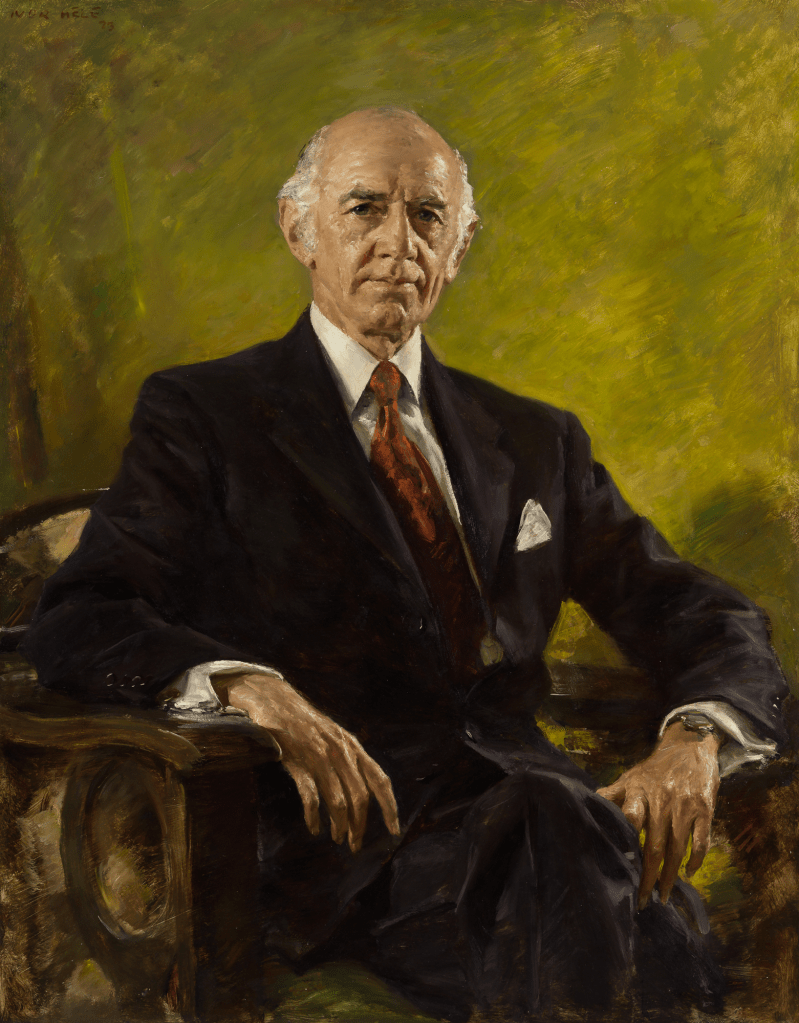
The idiot – William McMahon (1971-72)
Derided and disliked even by his colleagues, Billy McMahon is often ranked among Australia’s worst Prime Ministers, with his government not passing any notable legislation or having any lasting achievements. He became Prime Minister in 1971 after the resignation of John Gorton, becoming winning a leadership spill and staying in the role for a mere 21 months. Seen as a laughing stock by many, he failed to control the worstening economy of the 1970s but was deemed as ‘completely untrustworthy, trecherous and amoral’ by numerous journalists and politicians. He was the final PM in Menzies’ conservative government era of 23 years, losing to Gough Whitlam in the 1972 election.
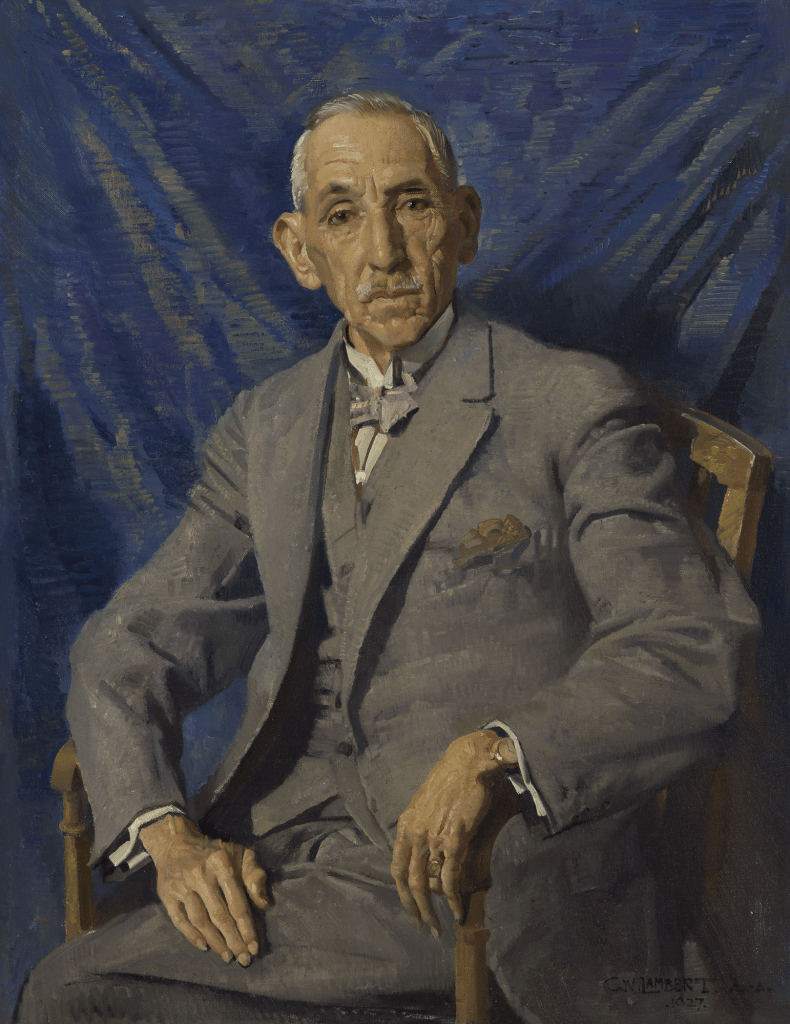
The larrakin – Billy Hughes (1915-23)
Ah, Billy Hughes, that rascal. He was Prime Minster for seven years but a Member of Federal Parliament for over 50, serving almost six decades in public office. He represented six political parties, was the leader of five, served as a minister in four, and got kicked out of three. Quite the impressive political record. He became Prime Minister in 1915 when Andrew Fisher retired, and led Australia through the First World War, playing part in the postwar negotiations at Versailles, where Australia received a mandate to govern Papua New Guinea. Upon his return home his government also established the Institude of Science and Technology (later known as CSIRO), the Department of Civil Aviation, the Commonwealth Oil Refineries, and Amalgamation Wireless – giving Australia a direct radio service with the UK. Unable to form government after the 1922 election, Hughes resigned as PM in 1923. He remained in Parliament as an MP maintaining his charming, witty and devious personalality, until his death in 1952.
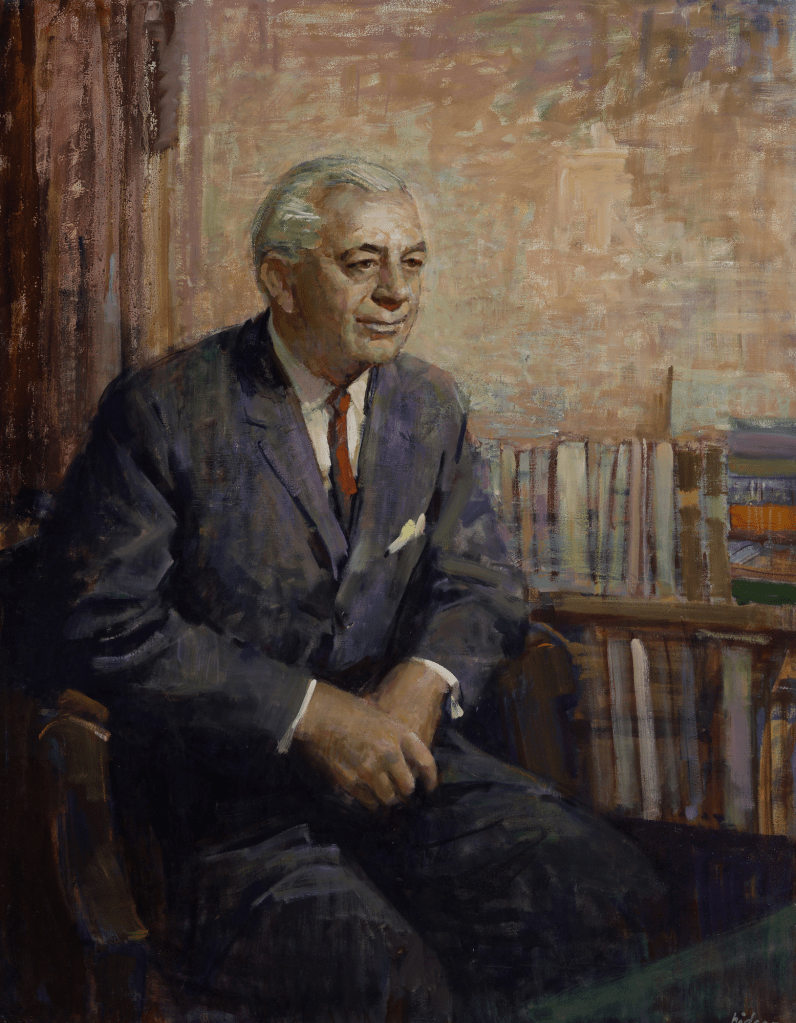
The playboy – Harold Holt (1966-67)
Most Australians recognise Harold Holt as the handsome Prime Minister who went for a swim one day and disappeared… presumed drowned. They might also know that a swimming pool was named after him. What they might not know is that Holt was also a bit of a playboy and a womaniser, conducting various liasions and having several mistresses. It is presumed that the reason he took that early morning swim the day he disappeared was to impress his mistress, Marjorie Gillespie. Today in Australia, the term ‘to do a Harold Holt‘ is to disappear unexpectectly and suddenly.
Further reading:
- Bowen, C. The Money Men: Australia’s Twelve Most Notable Treasurers. Melbourne University Press, 2015
- Hawke, B. The Hawke Memoirs. William Heinemann Australia, 1994
- Savva, N. Bulldozed: Scott Morrison’s Fall and Anthony Albanese’s Rise. Scrube Publications, 2022
 Andrew Reviews
Leave a comment